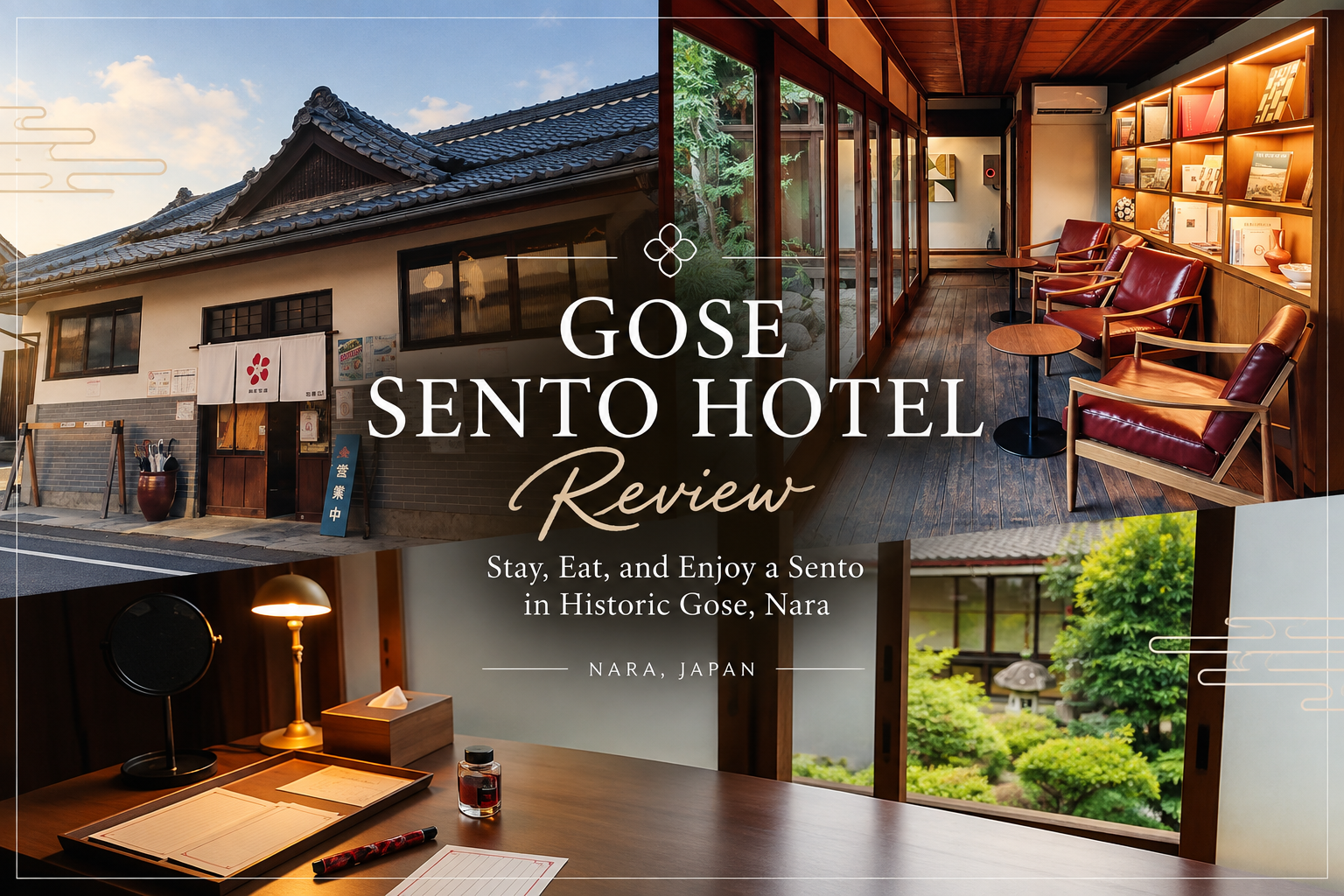
GOSE SENTO HOTEL Review: Stay, Eat, and Enjoy a Sento in Historic Gose, Nara
鳴山シンゴ
シンゴのつなてんブログ
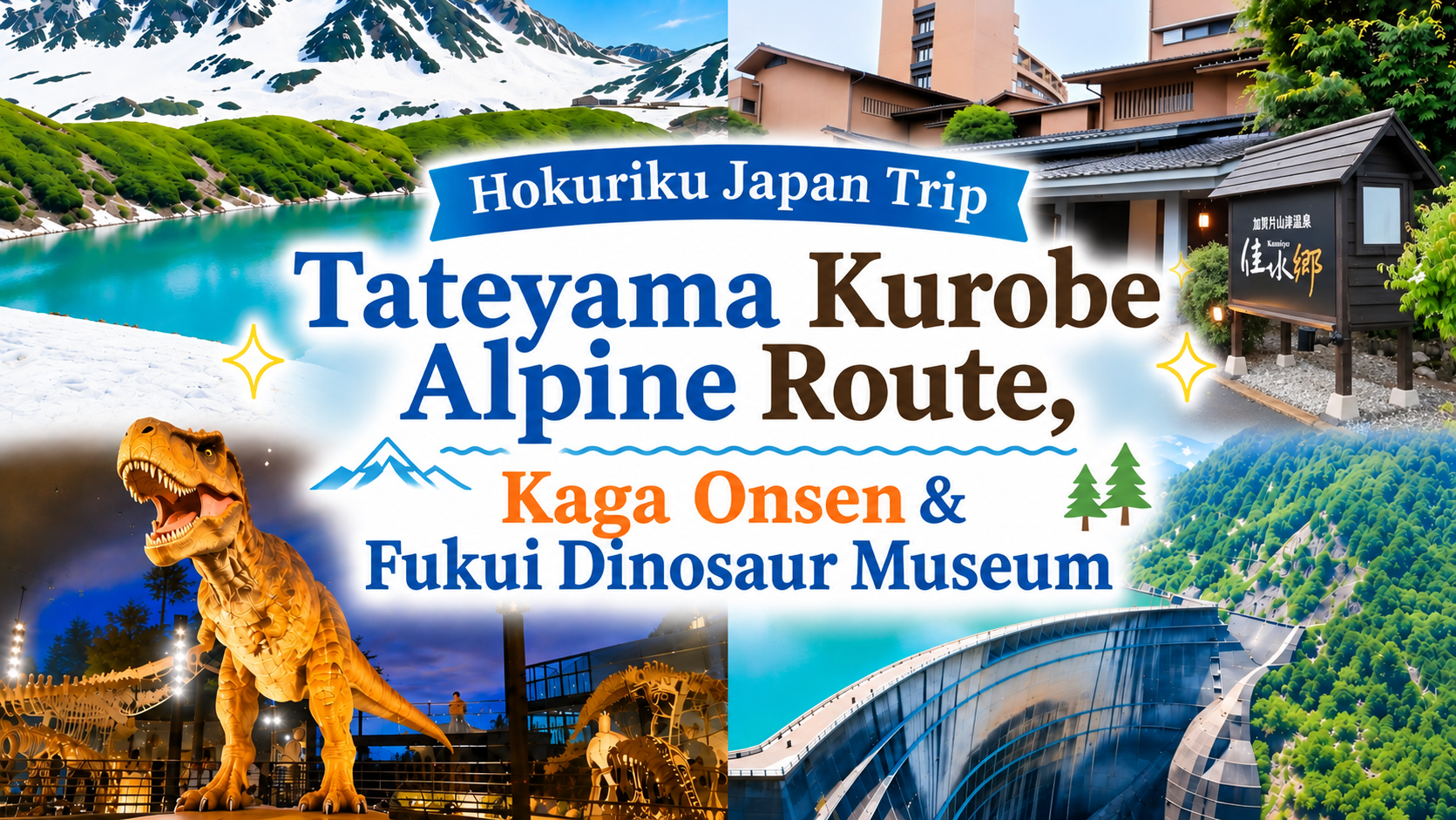
In early June 2026, my wife, daughter, and I went on a three-day, two-night road trip through Japan’s Hokuriku region!
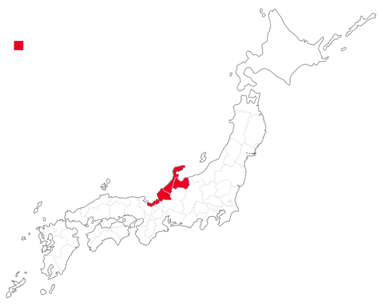
Hokuriku is located along the Sea of Japan coast in central Japan. On this trip, we visited three prefectures: Toyama, Ishikawa, and Fukui.
The three prefectures highlighted in red on the map below are the destinations we visited on this trip!
There were two main reasons for this trip.
First, my wife had always wanted to visit the spectacular Tateyama Kurobe Alpine Route.
Second, I had a complimentary accommodation voucher for APA Hotel & Resort Kaga Katayamazu Onsen Kasuikyo, which I had earned through APA Hotel’s membership program.
And of course, we couldn’t miss the famous Fukui Prefectural Dinosaur Museum!
Our favorite destinations were:
Each destination offered something completely different, from breathtaking mountain scenery to relaxing Japanese hot springs and incredible dinosaur exhibits.
If you’re planning a trip to Hokuriku, I hope our experience helps you discover some wonderful places to visit!
We traveled by car from our home in the Kansai region, near Osaka and Kyoto. Our first day was mostly spent driving to our accommodation, Green View Tateyama.
I would have loved to stop at famous sightseeing spots along the way, such as Shirakawa-go. However, we had tickets for the 7:00 a.m. cable car the following morning, so we decided not to push ourselves too hard.
The drive from our home to Green View Tateyama took approximately six hours. Although it was a Saturday, traffic was surprisingly smooth, and we didn’t encounter any major congestion.
We stopped for lunch and a break at Nanjo Service Area on the Hokuriku Expressway in Fukui Prefecture.
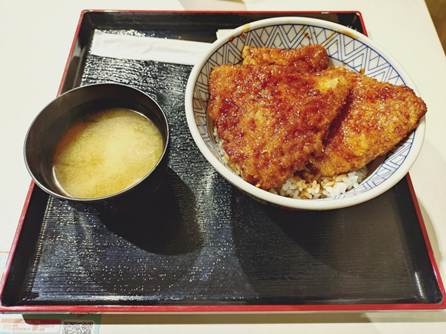
For lunch, I ordered tare katsudon, a local dish featuring pork cutlets served over rice with a savory sauce. The pork was tender, and the sauce had soaked into the cutlet perfectly. Delicious!
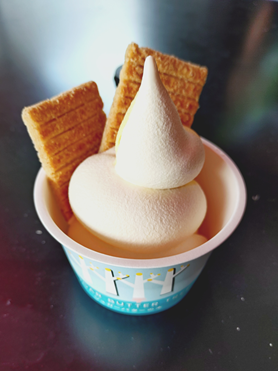
We also discovered something unexpected at the service area. They were selling soft-serve ice cream inspired by Sugar Butter Tree, a popular Japanese confectionery brand known for its buttery sandwich cookies.
Apparently, this particular ice cream was available at only three locations in Japan at the time of our visit. Naturally, we had to try it! The ice cream really did taste like the original Sugar Butter Tree cookies. Another excellent choice.
But that wasn’t the only surprise. Nanjo Service Area also had an interactive dinosaur robot called Fukuititan! Visitors could experience feeding the dinosaur, which moved quite realistically. My daughter was both excited and a little frightened as she cautiously approached it.
Even at a highway rest stop, Fukui Prefecture was already showing off its dinosaurs!
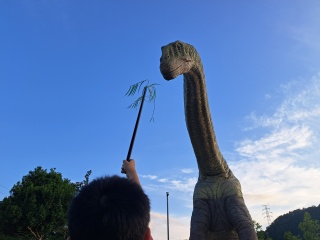
Image source: Fukui City Official Tourism Website, “Fuku-iro”
https://fuku-iro.jp/spot/detail_12646.html
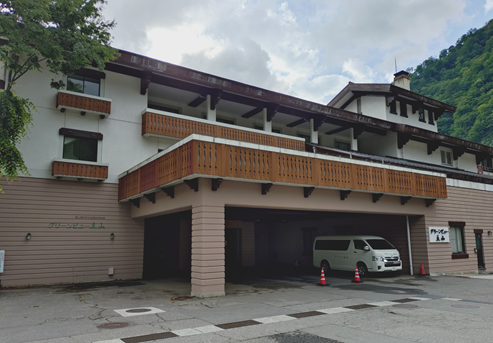
Our accommodation for the first night was Green View Tateyama.
The hotel is conveniently located about a three-minute walk from Tateyama Station, one of the main entrances to the Tateyama Kurobe Alpine Route.
Since we needed to catch the 7:00 a.m. cable car the following morning, staying close to the station was extremely important. Green View Tateyama was perfect for our schedule.
The staff member who welcomed us at reception was also exceptionally polite and helpful, which made a great first impression.
One of the best features of Green View Tateyama is its natural hot spring bath, Senju no Yu. There was no outdoor bath or sauna, but the indoor bath was fantastic! The bathing area was spacious, and the floor was covered with tatami-style mats.
Even better, the large windows offered beautiful views of the Tateyama mountains. Now I understood why the hotel was called “Green View”!
The hot spring water had a distinctive smooth, almost silky texture. It felt wonderful on my skin.
According to the hotel, the tatami flooring helps prevent guests from slipping on the wet floor, which is particularly useful because of the water’s slippery texture. It was a thoughtful design and a memorable bathing experience.
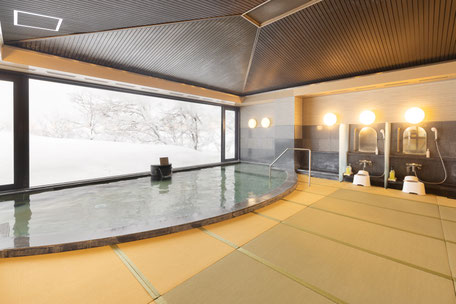
Image source: Green View Tateyama Official Website https://www.greenview-t.com/
Dinner at Green View Tateyama was another pleasant surprise.
We enjoyed a Japanese-style set meal featuring a variety of dishes. Rice, soup, and Japanese pickles were available for unlimited refills.
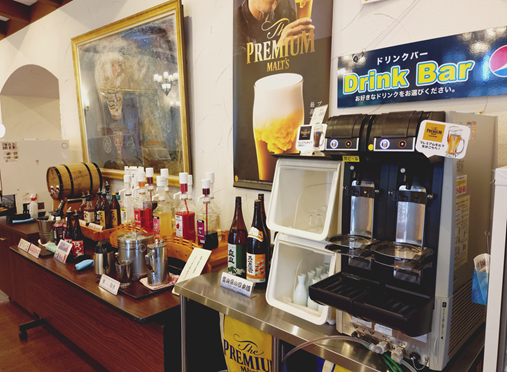
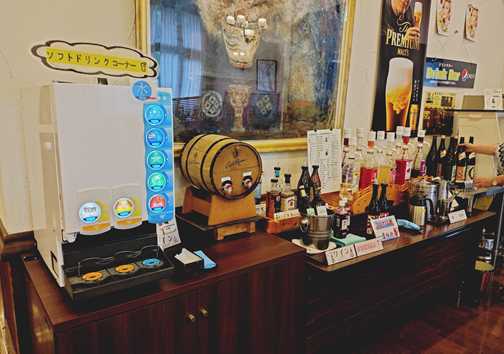
And here’s the best part. Drinks were included, with unlimited refills!
There was an impressive selection of alcoholic and non-alcoholic beverages, including beer, shochu, whisky, wine, liqueurs, and soft drinks. As someone who enjoys a good beer, I was delighted!
Unfortunately, we had to wake up very early the next morning. If only we hadn’t needed to catch that 7:00 a.m. cable car…
Day 2 was the main event of our Hokuriku trip!
We woke up at 5:00 a.m. to catch the 7:00 a.m. cable car from Tateyama Station. Since we were leaving so early, we skipped breakfast at the hotel.
One important tip: there are no convenience stores immediately around Tateyama Station. If you’re planning an early departure, I strongly recommend buying breakfast and snacks in advance.
The Tateyama Kurobe Alpine Route is a spectacular mountain sightseeing route through Japan’s Northern Alps.
Rather than traveling on a single train or bus, visitors use several different types of transportation, including cable cars, buses, and a ropeway. If you enjoy unusual vehicles, this route is an attraction in itself!
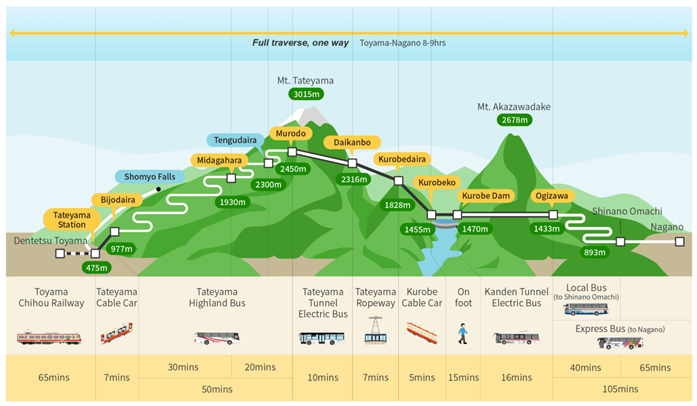
Image source: Tateyama Kurobe Alpine Route Official Website
https://www.alpen-route.com/en/transportation
For reference, the adult round-trip fare between Tateyama Station and Kurobeko was ¥16,480 at the time of our visit.
Ticket prices vary depending on your route, age, and available discounts, so be sure to check the official website before traveling.
Official website: https://www.alpen-route.com/
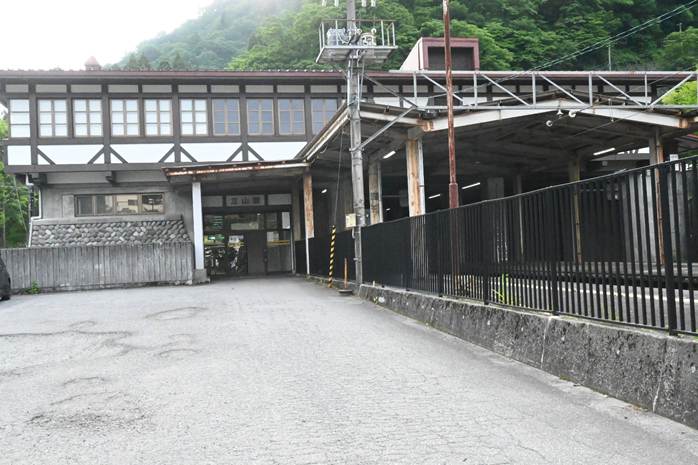
Our journey began at Tateyama Station. Although our tickets were for the 7:00 a.m. departure, we arrived at the boarding area around 6:40 a.m. just to be safe.
There were already approximately 20 people waiting in line. The other visitors were dressed in a wide variety of clothing. Some looked ready for serious mountaineering or skiing, while others, like us, were dressed more casually for sightseeing. Regardless of your plans, warm clothing is essential.
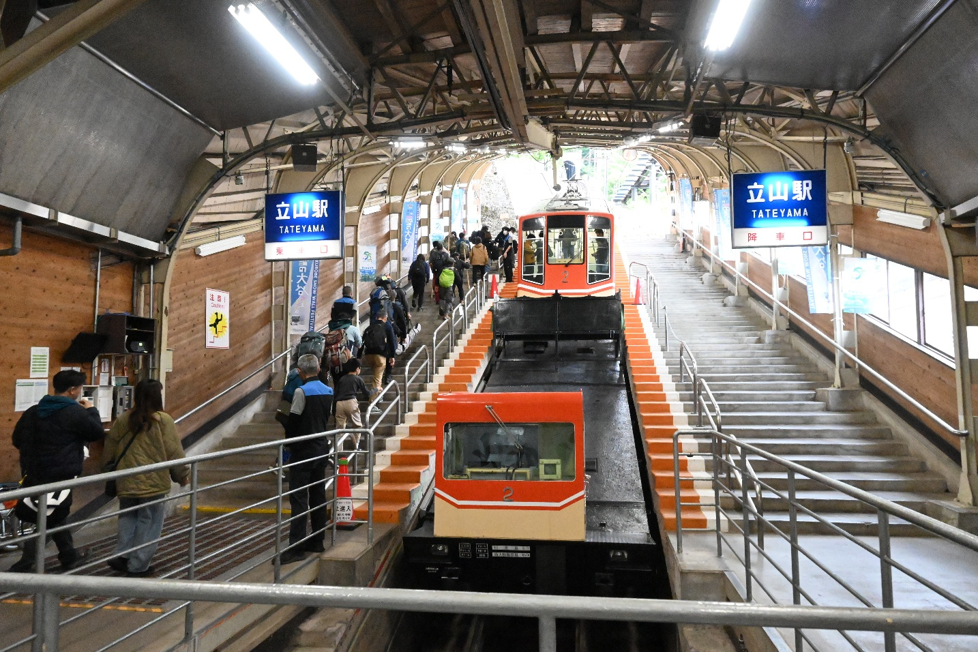
The cable car was quite crowded, but the journey only took around seven minutes, so it wasn’t particularly uncomfortable.
What impressed me most was the steep climb. The cable car travels up a slope with an elevation difference of approximately 500 meters. It was unlike anything I had experienced before!
After arriving at Bijodaira Station, we transferred to the Tateyama Highland Bus.
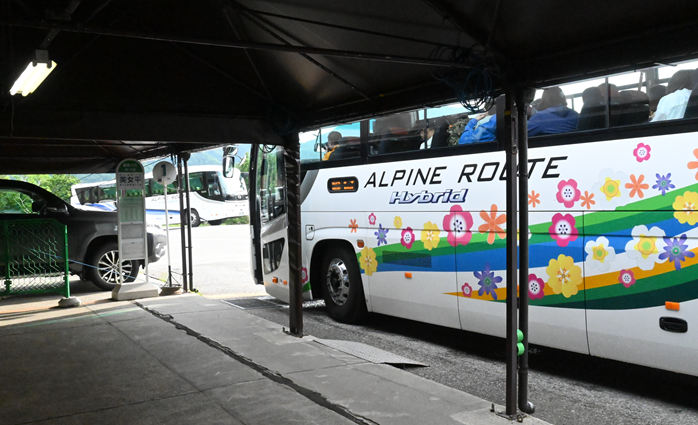
The bus journey to Murodo takes approximately 50 minutes, climbing about 1,500 meters in elevation.
Here’s an important tip for families traveling with children: There is no toilet on the bus. Make sure everyone uses the restroom before boarding.
During busy periods, additional buses may operate. Fortunately, we were able to board an extra service almost immediately.
The scenery along the journey was spectacular. We passed enormous trees and saw views of Shomyo Falls, Japan’s tallest waterfall, with a drop of approximately 350 meters. Informational videos on the bus explained the natural attractions along the route.
As we climbed higher, the scenery gradually changed. The lush greenery began to disappear, and snow-covered mountains came into view. It was almost surreal.
Temperatures at lower elevations were approaching 30°C, yet we were heading into a landscape that looked like the middle of winter! The magnificent Tateyama mountain range was absolutely breathtaking.
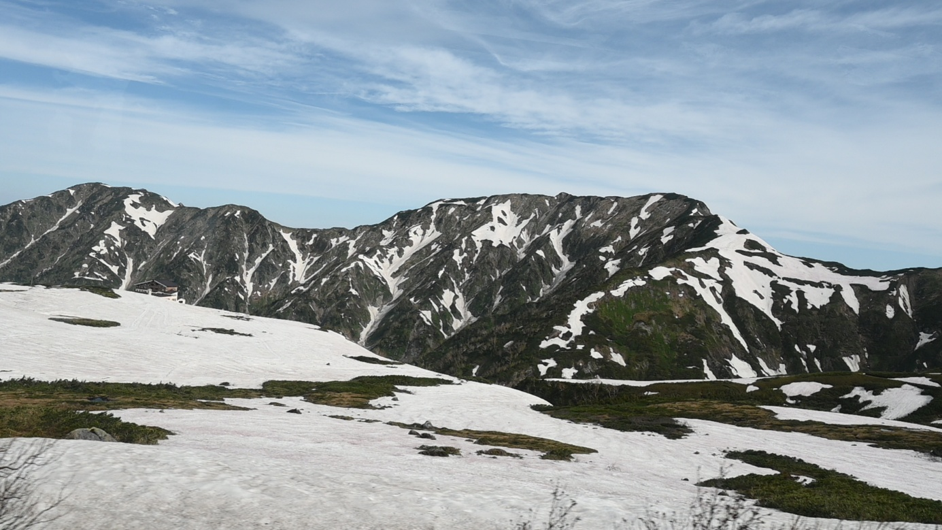
The first thing I noticed when we stepped off the bus at Murodo was the temperature. It was freezing! The temperature was just 8°C. Remember, this was early June!
Although we didn’t need heavy winter accessories such as thick scarves or gloves, warm clothing was definitely necessary. I recommend wearing layers so you can adjust your clothing throughout the day.
You’ll be walking quite a lot, and temperatures can vary dramatically between the mountains and lower elevations.
Footwear is equally important. The paths can be slippery because of snow, and some sections have steep slopes and stairs. Wear comfortable, waterproof shoes with good grip. Trust me, you’ll regret wearing unsuitable shoes!
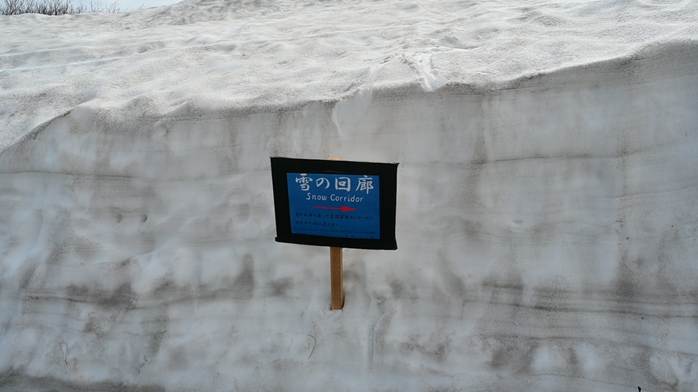
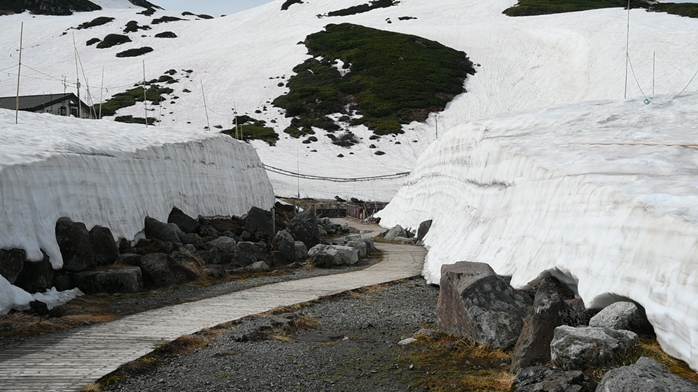
Our first stop after arriving at Murodo was the Snow Corridor. This area is easily accessible from Murodo Terminal.
Although much of the snow had already melted by early June, the snow walls were still approximately three to four meters high in places. Walking between towering walls of snow in early summer was an incredible experience. It was hard to believe that we were still in Japan in June!
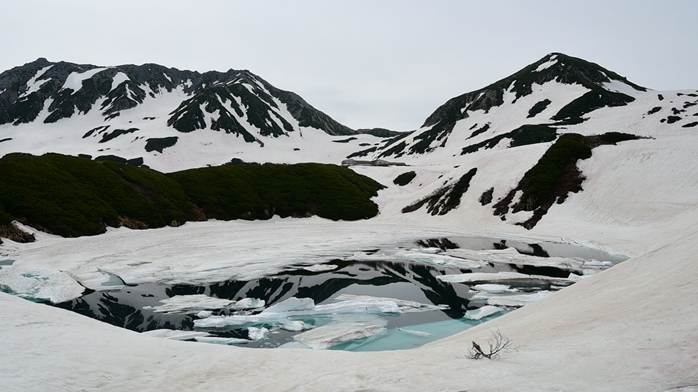
Next, we headed to Mikurigaike Pond. The pond is approximately a 10–15-minute walk from Murodo Terminal.
However, you should allow more time than that. Why?
Because the surrounding scenery is so beautiful that you’ll probably stop to admire it every few minutes!
Mikurigaike is famous for its beautiful blue water, sometimes called “Mikurigaike Blue.” The combination of the deep blue pond and the magnificent snow-covered mountains was simply stunning. We spent quite some time admiring the view.
Near the pond is Mikurigaike Onsen, a natural hot spring facility located at an altitude of approximately 2,410 meters. It is known as Japan’s highest-altitude natural hot spring.
Visitors can also enjoy meals and take a break at its café.
Official website: https://www.mikuri.com/
As a hot spring enthusiast, I really wanted to take a bath there! Unfortunately, our schedule was too tight, so we had to skip it. What a shame!
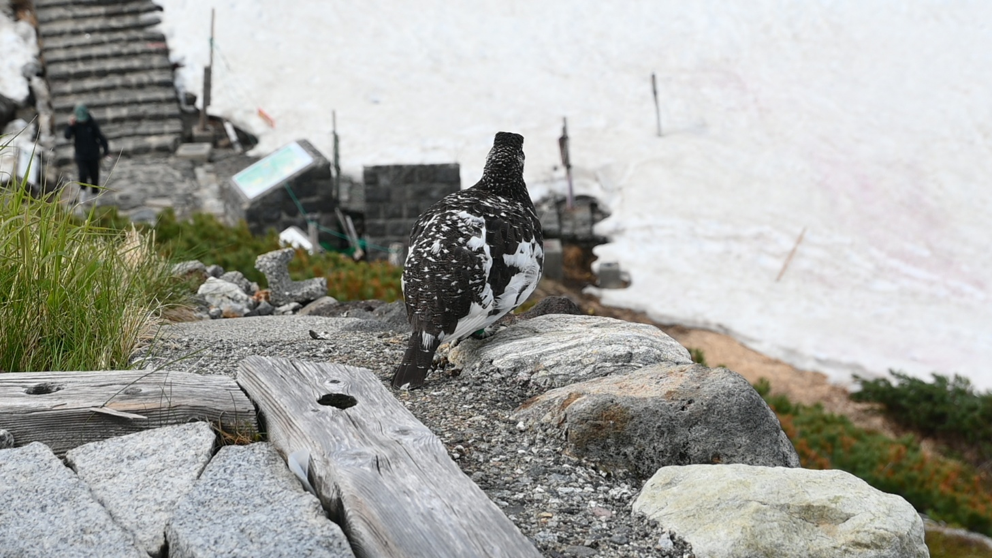
However, something wonderful happened while we were resting on a bench near Mikurigaike Onsen. We spotted a Japanese rock ptarmigan, known locally as a raicho! This rare alpine bird is a protected species in Japan.
Seeing it against the snowy mountain landscape was unforgettable. It looked incredibly cool!
After reluctantly leaving Mikurigaike Pond, we headed to Yuki no Otani, one of the most famous attractions on the Tateyama Kurobe Alpine Route.
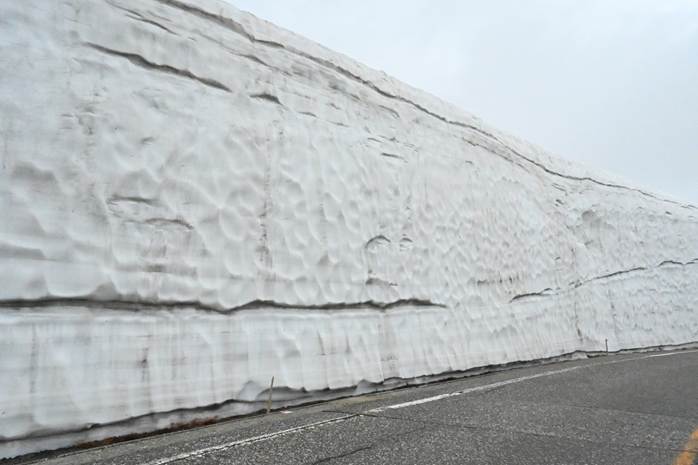
Yuki no Otani literally means “Great Valley of Snow.” It is famous for its enormous snow walls, created by clearing the mountain road after the winter.
We visited in early June, near the end of the seasonal Snow Wall Festival. At the time of our visit, the snow walls were approximately nine meters high. Nine meters!! Even though they were lower than earlier in the season, they were still incredibly impressive.
If you want to see snow walls approaching 20 meters in height, mid-April is generally a better time to visit, although the actual height varies each year.
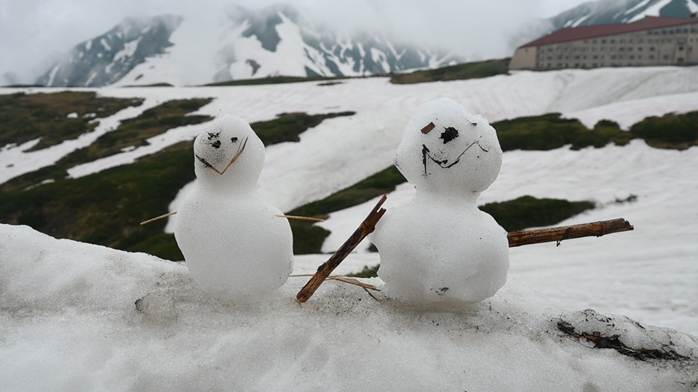
There were also lots of small snowmen along the walls, apparently made by visitors. Naturally, we made one too! Building a snowman in June felt very strange.
We also saw many international visitors who seemed absolutely thrilled by the snow. Some looked as though they might have been seeing snow for the first time. Their excitement was wonderful to watch.
After visiting Murodo, I came to a conclusion. There is no single best season to visit Murodo. Every season offers something special.
In April, you may see enormous snow walls, but temperatures can be close to freezing, making sightseeing more challenging. In early June, the walls are lower, but the weather is generally more comfortable, and the melting snow creates beautiful scenery around Mikurigaike Pond. Both seasons have their own appeal.
This is definitely somewhere I’d love to visit again and again.
After enjoying Murodo, we continued toward Kurobe Dam on the other side of the mountain.
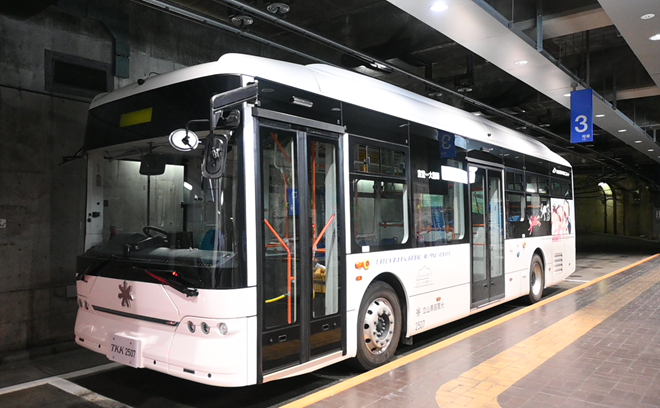
First, we traveled from Murodo to Daikanbo by electric bus. The journey takes approximately 10 minutes through a tunnel inside the mountain.
The electric buses were introduced in 2025, replacing the previous trolleybuses. They were modern, comfortable, and surprisingly smooth.
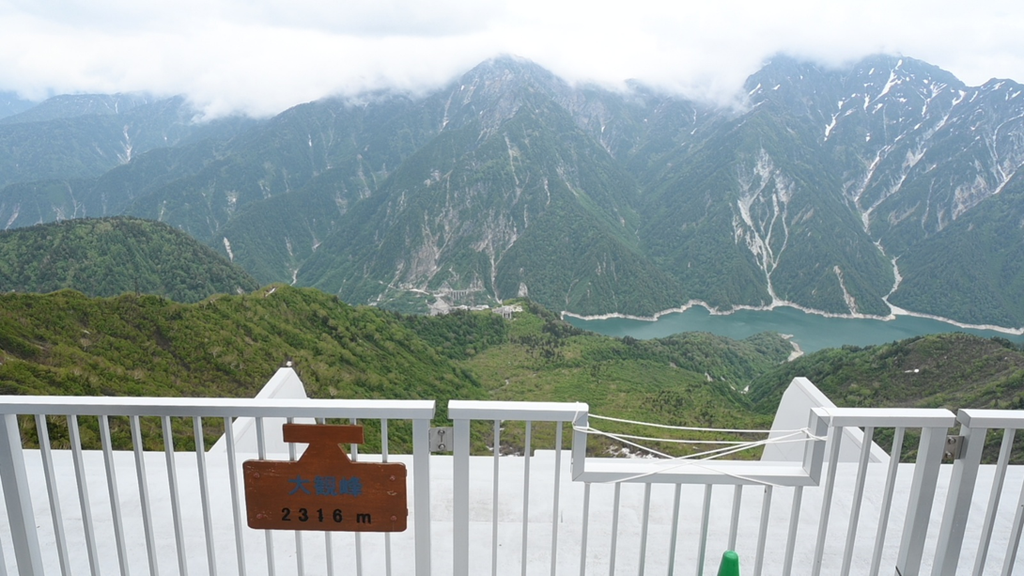
When we arrived at Daikanbo, we were greeted by a truly spectacular panoramic view! The emerald-green lake visible in the photo is the reservoir of Kurobe Dam. It’s incredible to think that people managed to build such an enormous dam deep in these mountains. I was speechless.
From Daikanbo, we transferred to the Tateyama Ropeway and descended approximately 500 meters to Kurobedaira.
The ropeway offered breathtaking views of the surrounding mountains. The slopes were so steep that I actually felt a little nervous! After approximately seven minutes, we arrived at Kurobedaira. I can only imagine how beautiful this scenery must be during the autumn foliage season.
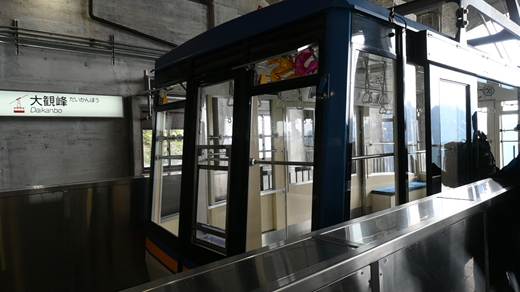
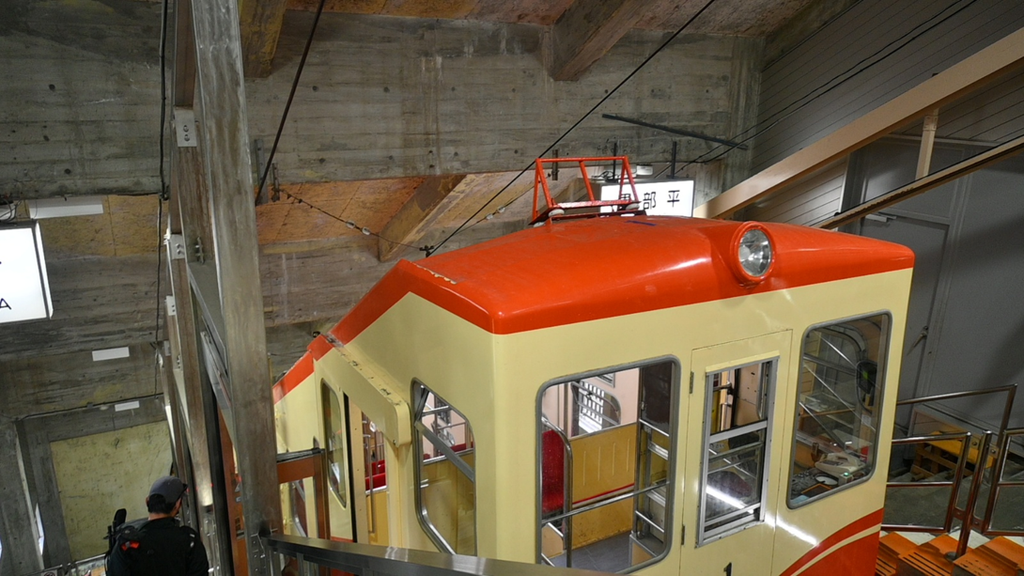
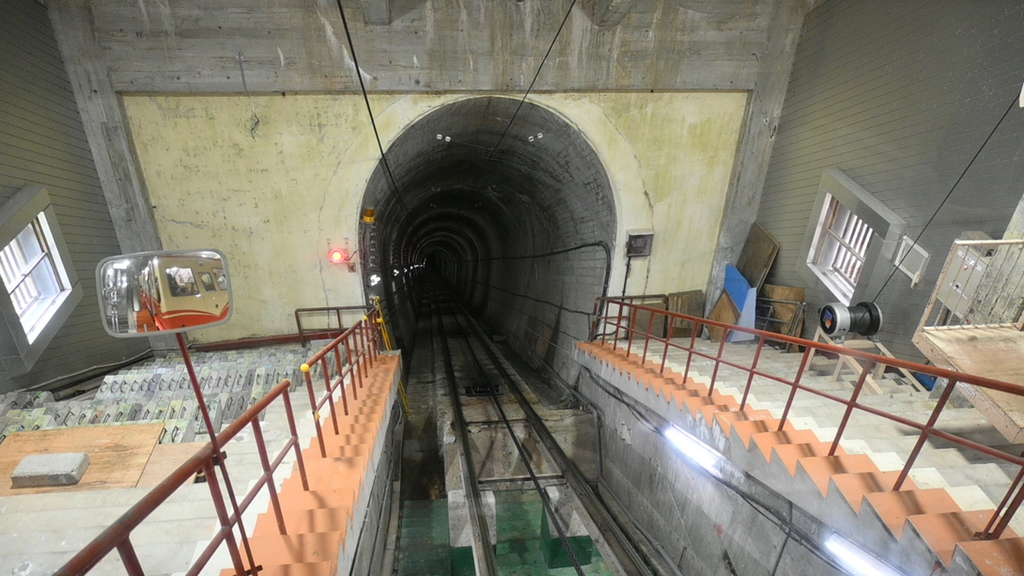
At Kurobedaira Station, we transferred once again, this time to an underground cable car heading toward Kurobeko, near Kurobe Dam. The slope was incredibly steep, but traveling through the dark tunnel was surprisingly exciting!
One thing I appreciated about the Alpine Route was the availability of facilities. Many stations have restaurants, souvenir shops, and places to buy drinks or snacks. There are also clean toilets at various points along the route.
You don’t need to carry enormous amounts of food or water, although bringing some essentials is still a good idea.
Finally, we arrived at Kurobe Dam, another major highlight of the Tateyama Kurobe Alpine Route.
Temperatures were slightly warmer than at Murodo, probably around 12–15°C during our visit. Still pretty cold for June!
My first impression of the dam can be summed up in one word: Incredible.
How did people manage to construct something so enormous deep in the mountains? The scale of the structure was simply overwhelming.
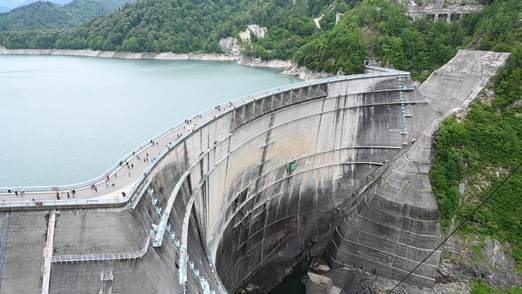
There was even a place where visitors could feel the extremely cold water flowing from the mountain. I was amazed by just how cold it was.
By this point, we were getting hungry, so we finally stopped for lunch at Kurobe Dam Rest House.
Of course, I ordered the famous dam curry! This is a Japanese curry dish arranged to resemble a dam, with rice representing the dam structure and curry sauce representing the reservoir. Eating delicious curry while enjoying views of the magnificent Kurobe Dam made the experience even better.
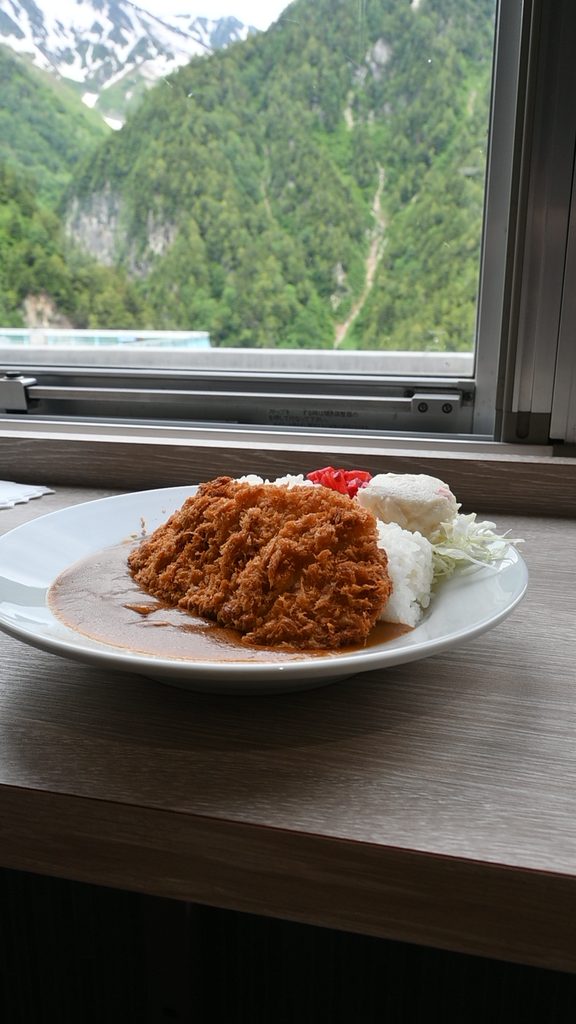
If you’re reasonably fit and not afraid of heights, I strongly recommend climbing to the observation deck. You can reach it by climbing an outdoor staircase along the mountainside. From the top, you can enjoy spectacular panoramic views of Kurobe Dam, the reservoir, and the Northern Alps.
However, the stairs are quite steep and exposed. If you’re afraid of heights or have difficulty climbing stairs, you may prefer to admire the scenery from a lower viewpoint.
Another famous attraction at Kurobe Dam is its spectacular sightseeing water discharge. During the scheduled discharge season, an enormous volume of water is released from the dam. Unfortunately, our early-June visit was before the sightseeing discharge season, which was scheduled to begin on June 26 that year. So we couldn’t see it.
Another reason to come back! As I mentioned earlier, it’s impossible to experience everything the Tateyama Kurobe Alpine Route has to offer in just one visit. I think that’s part of its charm.
After exploring Kurobe Dam, we returned to Tateyama Station along the same route. By the time we got back, my smartwatch showed that we had walked approximately 15,000 steps and climbed the equivalent of 48 floors! No wonder I was exhausted.
We then drove to our second accommodation, APA Hotel & Resort Kaga Katayamazu Onsen Kasuikyo in Ishikawa Prefecture.
Unfortunately, we didn’t have enough time to explore other attractions around Kaga Onsen. That’s something I’d like to do on a future trip.
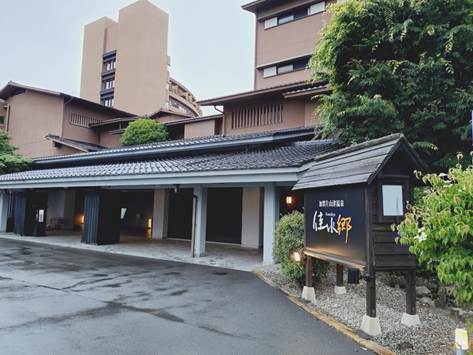
APA Hotel & Resort Kaga Katayamazu Onsen Kasuikyo is an upscale Japanese-style resort hotel located in Katayamazu Onsen, Kaga City, Ishikawa Prefecture.
The property overlooks Lake Shibayamagata, and its guest rooms offer beautiful lake views.
It combines traditional Japanese hospitality with resort facilities, including hot spring baths, dining areas, karaoke rooms, and table tennis facilities.
The hotel has also hosted matches for the Eiō title, one of the major championship titles in professional Japanese shogi, a traditional strategy board game.
So why did we choose this hotel? Because I had a complimentary accommodation voucher!
I earned the voucher through APA Hotel’s loyalty program. Under the program conditions applicable to my membership, staying at APA Hotels at least 20 nights a year helped me qualify for Executive membership and APA Stayers Club Platinum benefits. One of the annual benefits was a complimentary one-night stay for two people, including dinner and breakfast, at an eligible property.
Normally, a stay at Kasuikyo can cost tens of thousands of yen per person, depending on the room and package. Being able to use a complimentary voucher was fantastic!
The voucher had restrictions, including eligible dates and the number of guests. Since we were traveling with our daughter, we paid an additional charge for her stay.

If you’re interested in APA Hotel’s loyalty program, I’ve written separate Japanese articles below about how it works and the benefits available.


Our room was wonderful. It had a beautiful view of Lake Shibayamagata and even featured a traditional Japanese-style seating area beside the window. This space is called a hiroen. It’s that lovely little area you often see in Japanese ryokan rooms, where guests can sit, relax, and enjoy the view.
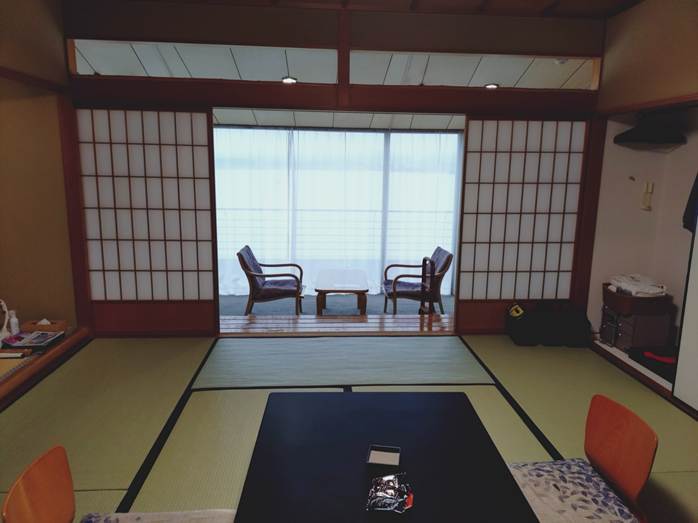
After such an exhausting day on the Alpine Route, I had originally planned to take a bath, eat dinner, and go straight to bed.
But the hotel was far more luxurious than I had expected!
There was a souvenir shop, a space where guests could play shogi, and even a collection of children’s picture books near reception. Guests were allowed to borrow the books and take them back to their rooms. A lovely touch for families with children!
There was also a lounge area offering complimentary drinks and ice pops. In the evening, we enjoyed live acoustic guitar music. The whole atmosphere was relaxing and elegant.
Before dinner, we relaxed in the hot spring baths and spent some time reading picture books with our daughter in the room.
Then it was finally time for dinner! We ate at Restaurant Kaga, the hotel’s Japanese restaurant. The atmosphere was refined and peaceful, almost like an upscale traditional Japanese restaurant.
We even had a private dining room. The staff were attentive and professional, making the experience even more enjoyable.
And the food? Absolutely delicious!
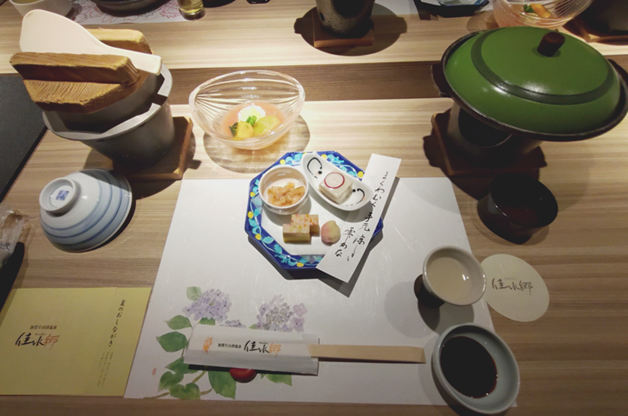
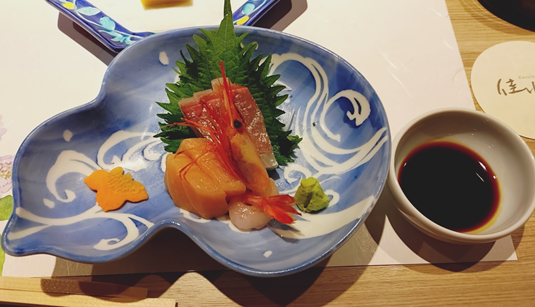
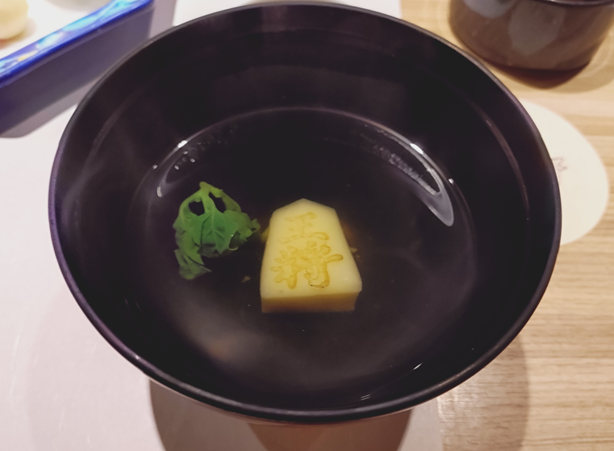
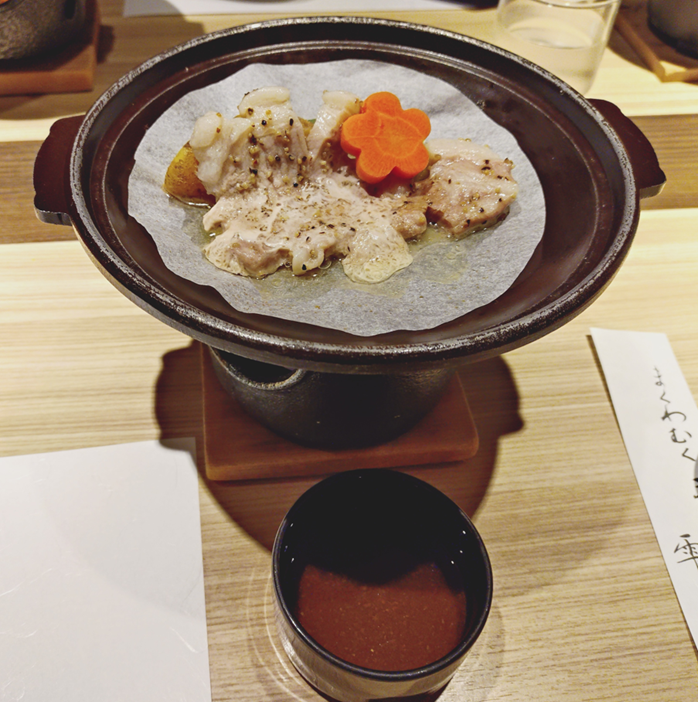
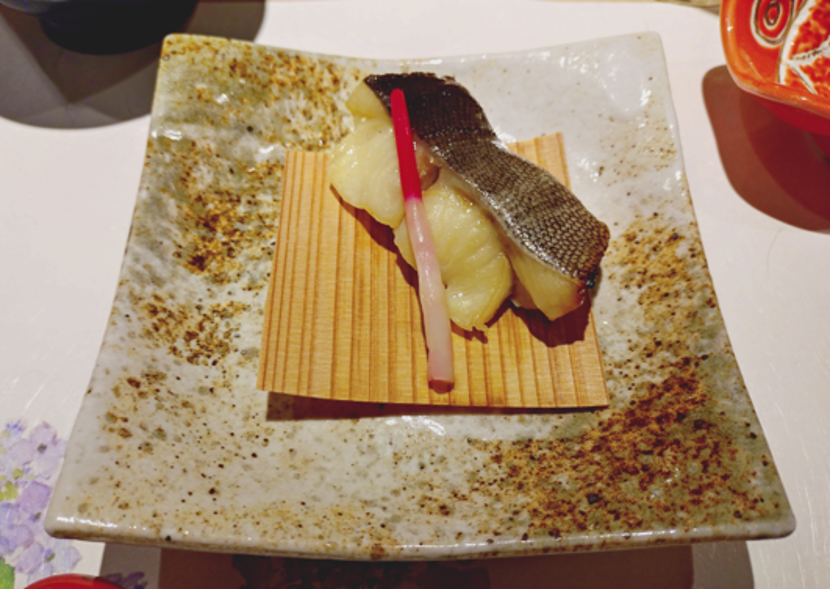
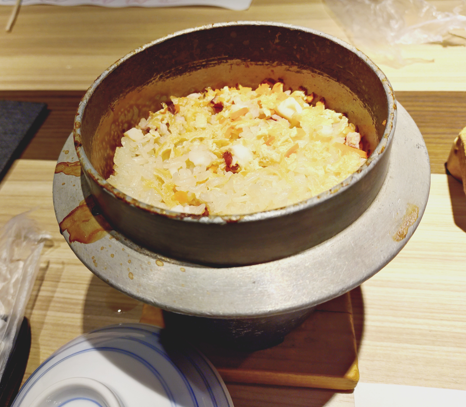
Every dish was beautifully prepared, but one particular item stood out.
A delicate Japanese clear soup called Ei no Kowan was my personal favorite. Of all the wonderful dishes we enjoyed, I chose the soup as the MVP. Even I was surprised by that decision! But seriously, it was so elegant and flavorful that I wished I could keep drinking it forever.
What a fantastic dinner.
After such a physically demanding second day, you might expect me to sleep in.
Not a chance! I woke up before 6:00 a.m.
Because I wanted to enjoy a morning sauna session!
The hotel has a large public bathing facility called Tamayura.
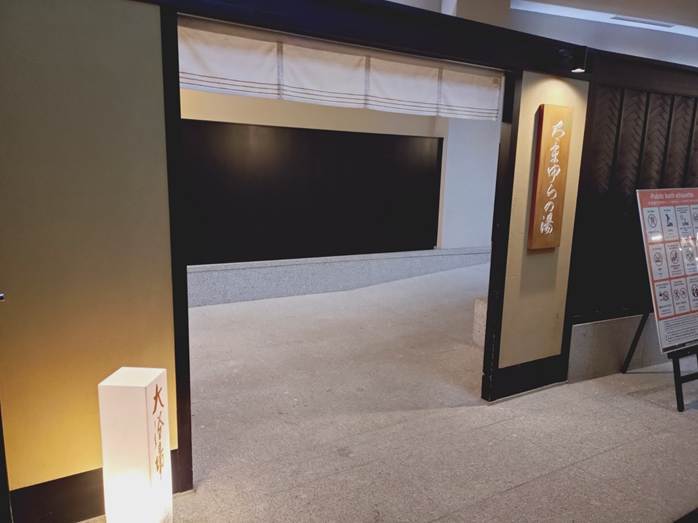
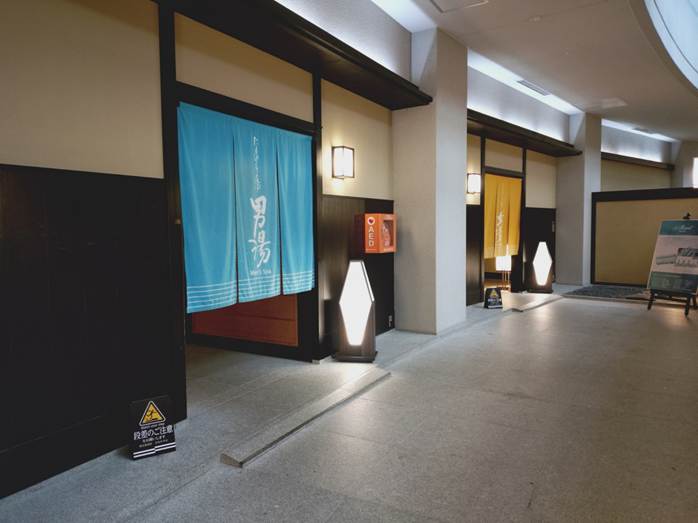
Hotel guests can use the baths from as early as 5:00 a.m., according to the schedule during our stay. Perfect for someone like me!
The facility features a spacious indoor bath approximately 15 meters long, outdoor baths, a sauna, and a cold-water bath.
The outdoor bathing area includes a large communal bath and individual ceramic soaking tubs. I especially loved the individual tubs.
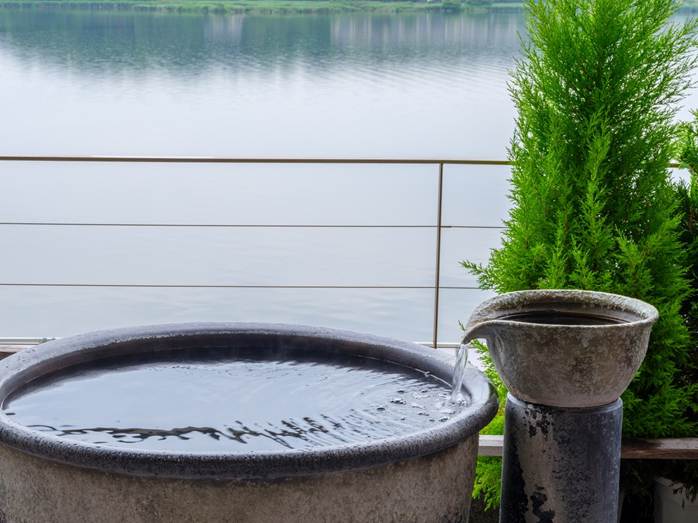
Image source: APA Hotel & Resort Kaga Katayamazu Onsen Kasuikyo Official Website https://www.apahotel.com/resort/kasuikyo/gallery
The water temperature was just right, and I could relax while enjoying views of Lake Shibayamagata. I honestly felt like I could stay there forever.
Then it was time for the sauna! There was one dry sauna room, without a löyly system for pouring water onto sauna stones. Fortunately, nobody else was using it when I arrived. I had the entire sauna to myself! It was a wonderfully peaceful way to start the morning.
If you’re interested in Japanese saunas and hot springs, be sure to check it out!
I will write a separate English review of the sauna facilities at Kasuikyo.
And once again, I couldn’t believe that we had enjoyed such a wonderful hotel stay using an annual membership benefit.
I’d definitely love to come back next year!
Eventually, it was time to check out of Kasuikyo and begin our journey back toward Kansai.
But there was one thing I absolutely had to eat before leaving Fukui Prefecture.
Echizen oroshi soba!
This is a traditional local noodle dish from Fukui, typically featuring cold buckwheat noodles served with grated daikon radish and a savory dipping sauce.
For lunch, we visited Echizen Soba Restaurant Katsushoku in Katsuyama City.
The restaurant was very popular, but luckily we didn’t have to wait too long for a table.
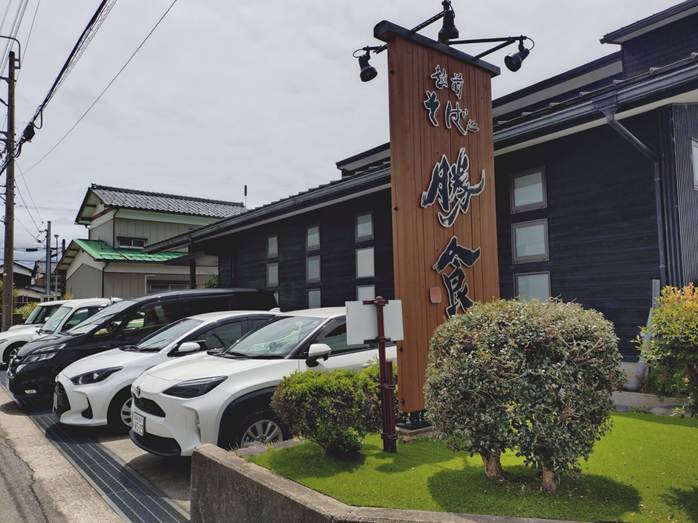
I ordered toriten oroshi soba, a dish featuring cold soba noodles, grated daikon radish, and Japanese-style chicken tempura. The cold broth was light and refreshing, while the grated radish and green onions added a wonderful flavor.
It was absolutely delicious and surprisingly easy to eat, even after a few days of enjoying rich hotel meals.
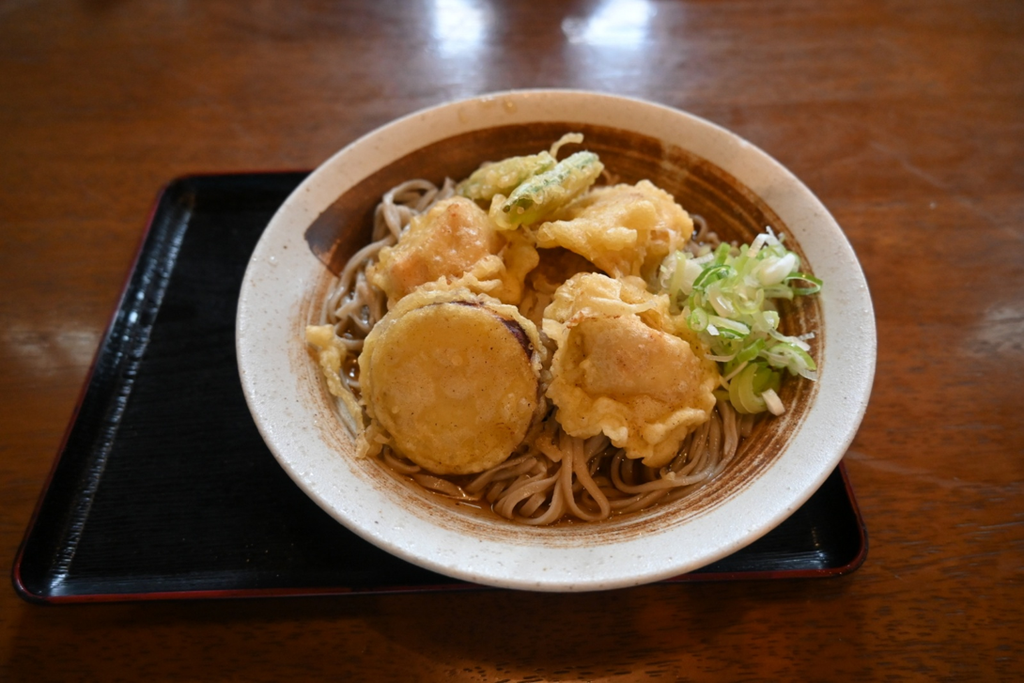
The restaurant also offered udon noodles, so it’s a good option for travelers who prefer udon over soba. If you’re visiting Katsuyama, I recommend giving it a try!
Our final destination was Fukui Prefectural Dinosaur Museum.
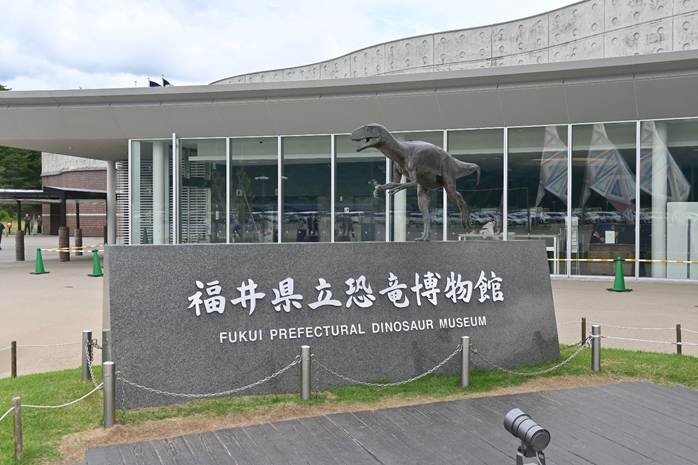
Fukui is famous for dinosaur fossils, so visiting this museum felt like an essential part of our trip! To be honest, I initially underestimated it. I thought it would probably be a nice museum for children. I was wrong.
This museum was incredible!
I highly recommend it not only for children but also for adults.
The experience begins with an impressive escalator that takes visitors down into the exhibition area, almost as if they are descending underground.
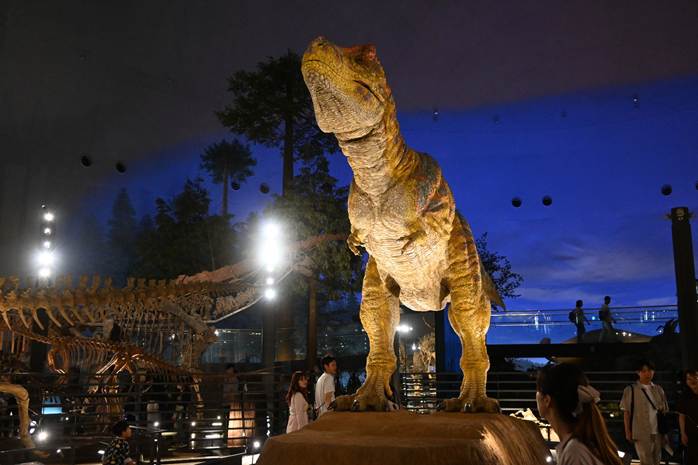
Once inside, you’re greeted by an enormous robotic Tyrannosaurus rex, as shown in the photo below. And it moves! The realistic movements make it look surprisingly intimidating. It was so impressive that younger children might even find it a little frightening.
Personally, my favorite exhibit was a gigantic long-necked dinosaur, resembling a Brachiosaurus, standing near the back of the exhibition hall. It appeared to be reaching up to eat leaves from a tall tree. The scene reminded me of the excitement I felt when I watched the famous movie Jurassic Park for the first time.
Unfortunately, I completely forgot to take a photo of it! A terrible mistake. You’ll just have to visit and see it for yourself!
The museum also features an enormous collection of fossils, realistic dinosaur reconstructions, educational displays, and a specialized dinosaur library called the Dino Library. There are also dinosaur-related films and other fascinating exhibits.
The museum is both spacious and incredibly detailed. You could easily spend hours exploring everything.
But the attractions don’t end at the museum itself.
Fukui Prefectural Dinosaur Museum is located within Katsuyama Dinosaur Forest Park. The surrounding park includes fossil excavation activities, Katsuyama Dino Park, and a playground area with enormous dinosaur models. Some attractions require separate admission fees.
There is genuinely enough here to keep a family entertained for an entire day. I found myself wishing we had a park like this near our home!
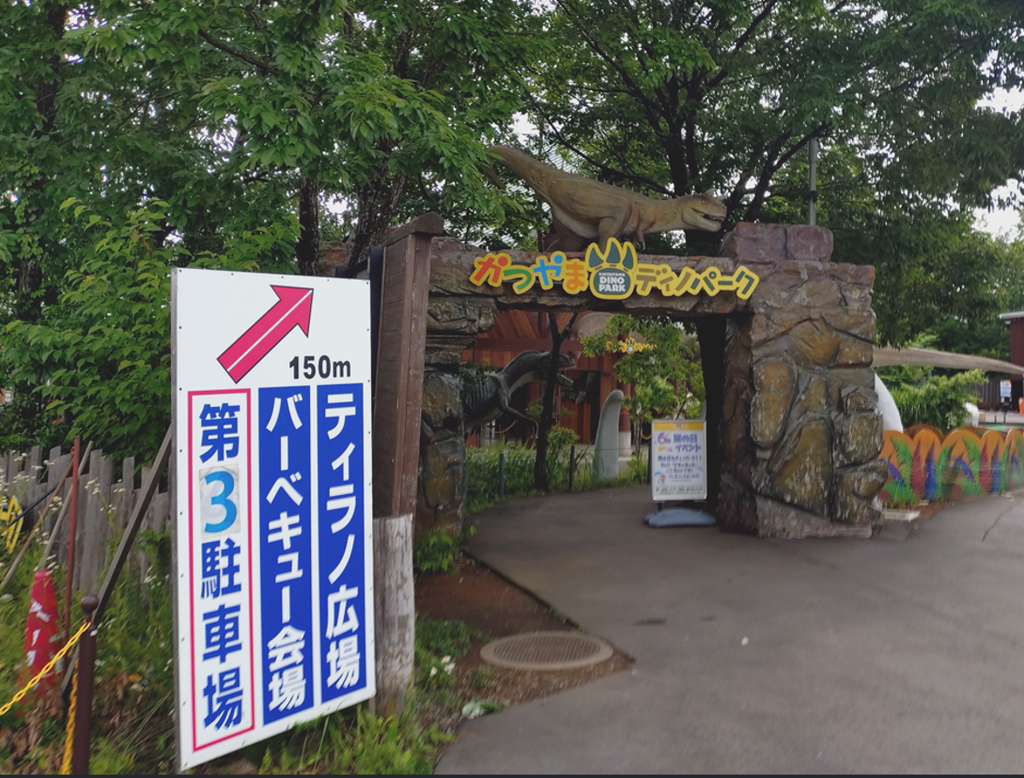
Before this trip, when I thought of Katsuyama, I mainly associated it with Ski Jam Katsuyama, a well-known ski resort in the area.
Now? Whenever I think of Katsuyama, I think of dinosaurs!
Absolutely!
Before this trip, I hadn’t spent much time sightseeing in Toyama, Ishikawa, or Fukui Prefectures. But after exploring all three, I was extremely satisfied with our experience.
Each destination had its own unique appeal.
The Tateyama Kurobe Alpine Route offered some of the most spectacular mountain scenery I’ve ever seen in Japan.
Kasuikyo provided a luxurious and relaxing Japanese hot spring experience.
And Fukui Prefectural Dinosaur Museum turned out to be one of the biggest surprises of the entire trip.
For travelers visiting Japan with children, I think this combination of nature, hot springs, and family-friendly attractions makes Hokuriku an excellent destination.
The region is accessible by car from Kansai, and the Hokuriku Shinkansen also makes parts of the region convenient to reach from Tokyo.
However, our itinerary was a road trip, so travelers relying entirely on public transportation should carefully check connections and travel times.
If you’re visiting the Tateyama Kurobe Alpine Route, I particularly recommend allowing enough time to explore Murodo and Kurobe Dam without rushing.
We managed to see a lot in three days, but there were still so many places we didn’t have time to visit.
I’d love to return to Hokuriku in a different season and discover even more of what this beautiful region has to offer.
Thanks for reading!
Fin